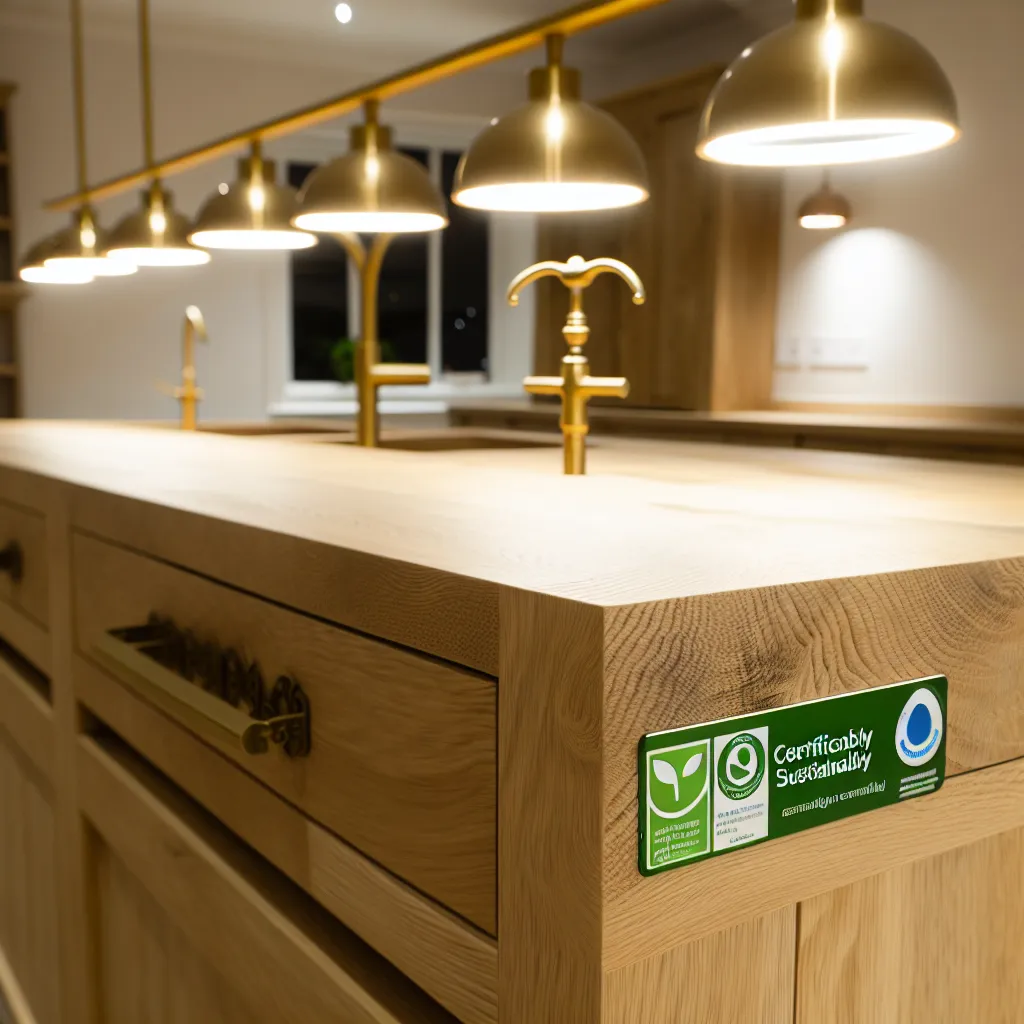
Building grand kitchen islands that honor the environment and serve families for generations.
The most sustainable kitchen is one that never requires replacement. We reject trend-chasing in favor of timeless aesthetics that remain relevant for decades.
Contemporary farmhouse style honors tradition while embracing modern living—a design language proven across generations. Natural materials age beautifully rather than showing wear, developing character that synthetic alternatives cannot match.
By creating islands families cherish rather than tolerate, we ensure they'll be maintained, preserved, and eventually passed to future generations rather than ending up in landfills.
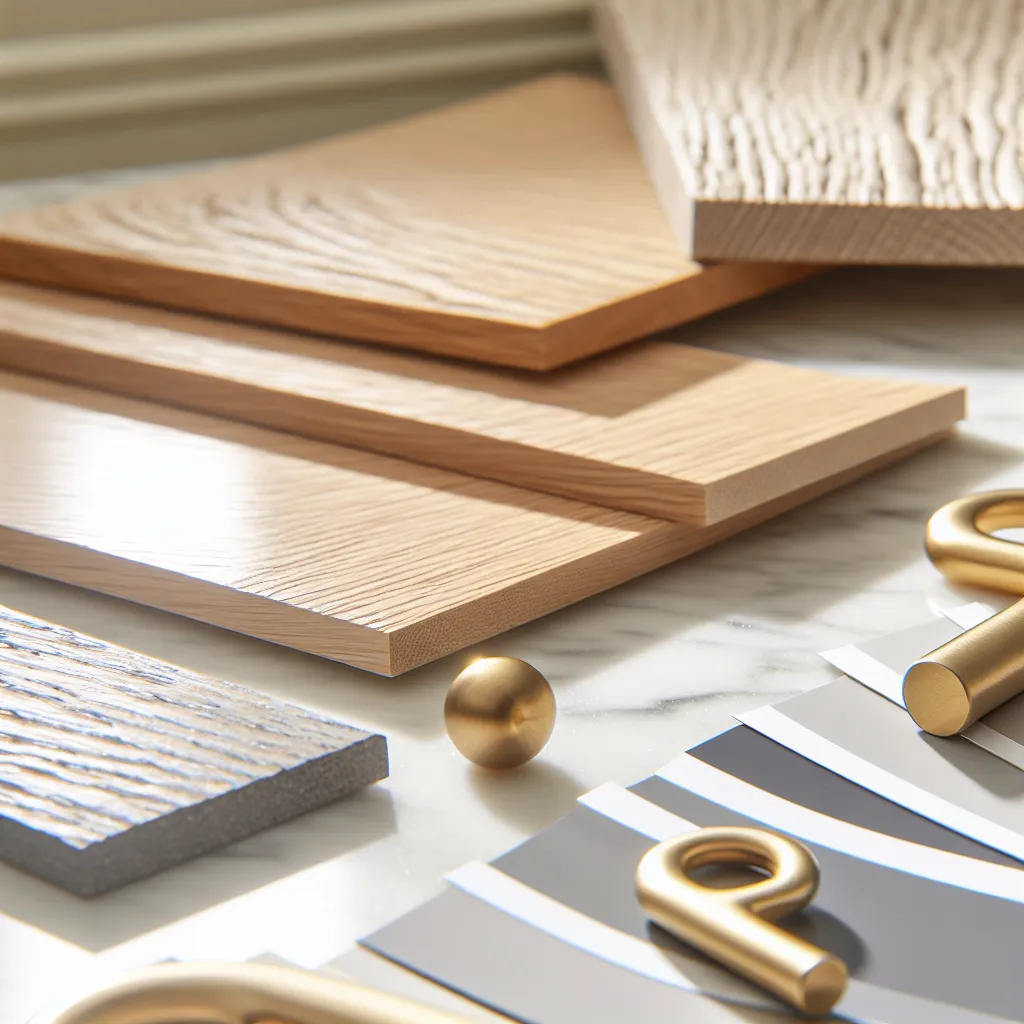
European oak from FSC-certified managed forests. Marble quarried with environmental oversight. Brass from suppliers following ethical labor practices.
Custom cabinetry built by English craftspeople within 100 miles of London when possible. Supporting traditional trades while reducing transportation emissions.
Premium materials and superior construction cost more initially but last far longer. Soft-close drawer mechanisms function flawlessly after decades. Solid brass never needs replacement.
Natural oil finishes for wood. Water-based, low-emission paints. Professional-grade marble sealers without harsh chemicals. Healthier indoor air quality.
We design systems allowing component repair rather than full replacement. Drawer organizers can be reconfigured as needs change without discarding functional cabinetry.
LED lighting throughout. Energy-efficient appliances when integrated. Thoughtful window placement reduces electric lighting needs during daylight hours.
Oak hardwood survives centuries when properly cared for. European cathedrals contain oak beams over 800 years old, still structurally sound.
Marble monuments endure millennia. The Parthenon demonstrates marble's permanence—2,500 years exposed to elements yet fundamentally intact.
Brass artifacts from ancient civilizations remain functional. This metal's longevity isn't theoretical—it's proven across human history.
These materials represent not expense but investment in permanence.